



Survivor Sprint contests on Splash Sports have taken the world of sports games by storm, offering an exciting twist on the classic Survivor format. This article will walk you through what Survivor Sprint is, how to build your own game, and the rules for playing to outlast your competition.
What is a Survivor Sprint?
A Survivor Sprint is an abbreviated version of the traditional Survivor game, known and loved by sports enthusiasts. These contests, hosted on the Splash Sports platform, offer participants a condensed yet action-packed experience. The key distinction is that Survivor Sprints are typically shorter, with a minimum duration of 4 weeks.
In Survivor Sprints, participants must outlast their friends and rivals by making weekly picks. The objective is simple: choose a team each week, and if your pick loses, you're out. The last player standing wins the contest's prize. However, there's a twist; for contests lasting less than 8 weeks, you must opt for multiple weekly picks. This adds an extra layer of strategy and challenge to the game, making it even more competitive.
How to Build a Survivor Sprint Game
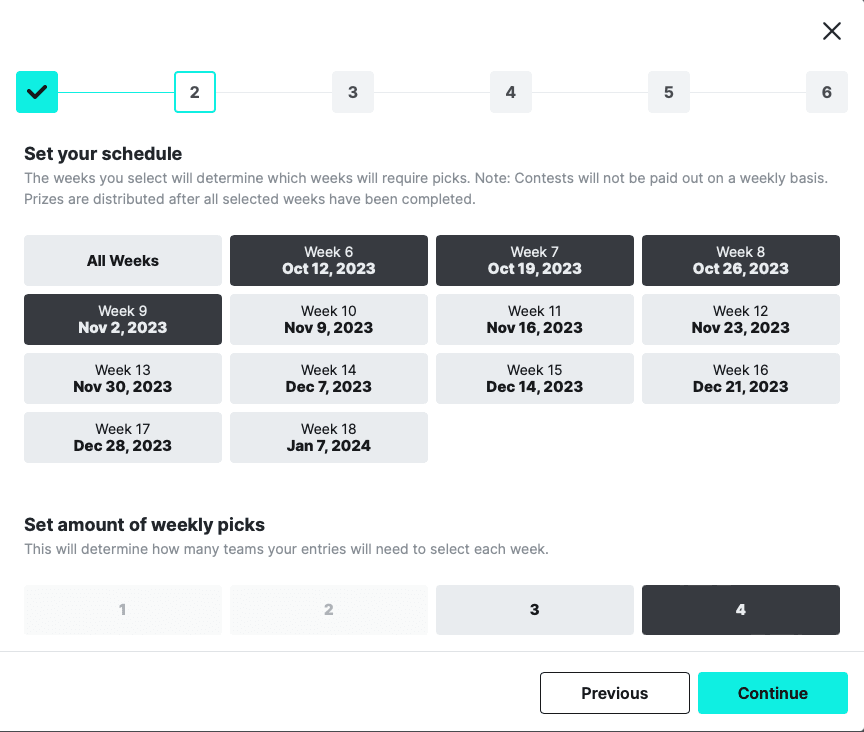
Creating your own Survivor Sprint game on Splash is straightforward. Here are the steps to get started:
- Set the Contest Duration: The first decision is how long your Survivor Sprint contest will last. Keep in mind that Survivor Sprints on Splash must be at least 4 weeks long.
- Choose the Number of Weekly Picks: For contests shorter than 8 weeks, you'll need to specify the number of weekly picks allowed. This number determines how many chances participants have to stay in the game.
- Select Additional Settings: As the contest commissioner, you can decide whether participants may enter the contest multiple times or have only one entry per player. This choice impacts the dynamics of the game.
- Create Your Contest: Once you've configured all the settings, create your Survivor Sprint contest on the Splash platform.
- Invite Participants: Share the details of your contest with your friends, colleagues, or the community. Encourage them to join and test their sports prediction skills.
How to Play Survivor Sprint
Playing Survivor Sprint is both thrilling and challenging. Here's how to participate and potentially emerge as the ultimate survivor:
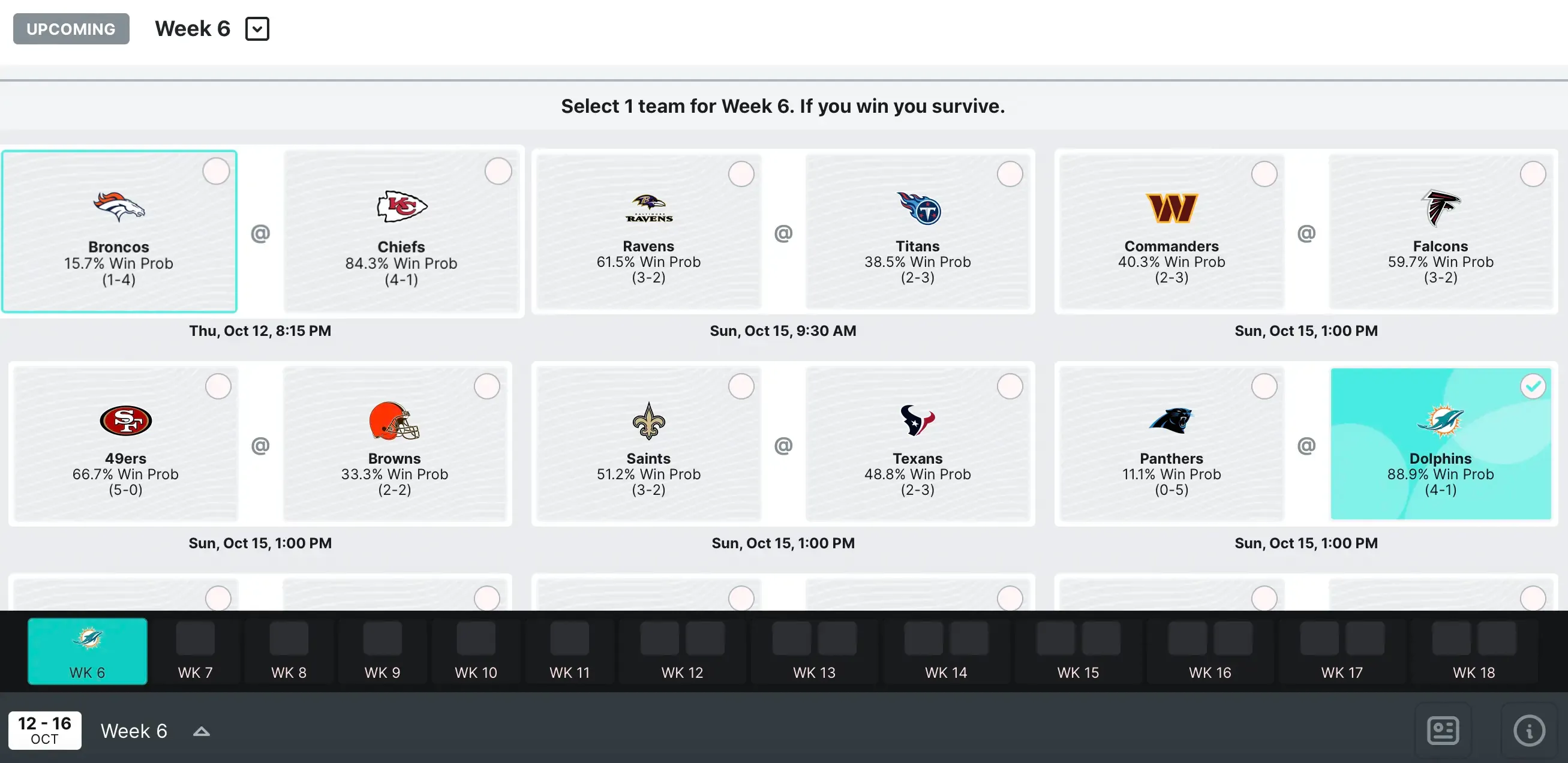
- Make Your Weekly Picks: Each week, you'll need to make a pick by selecting a team. Choose wisely because if your pick loses, you're eliminated from the contest.
- Survive and Advance: The objective is to survive and advance to the next week of your contest. If you select the correct winners, you move on to the next round.
- No Repeats: To add an extra layer of strategy, participants can select a team only once for the duration of the contest. This rule makes it essential to time your picks carefully.
- Elimination Rules: Losses, ties, or missed picks will eliminate a player from the contest. Stay vigilant and stay in the game.
- Win the Prize: The last player standing at the end of the contest wins the coveted prize, often in the form of cash or other exciting incentives.
Strategies for Winning
Winning is less about luck alone and more about making disciplined choices week after week. The best players evaluate risk early, build reliable relationships, and adjust their approach as the contest narrows. That means thinking beyond a single pick and planning for the opening, middle-game, and endgame. Use the tips below to improve your odds of staying alive longer and positioning yourself to finish strong when the field gets smaller.
- Evaluate Players Before You Pick: Every weekly pick should start with a clear read on the available options. Look beyond reputation and focus on consistency, recent form, matchup difficulty, and how much value a team offers later in the contest. A strong early pick is not always the best long-term choice if it removes too much flexibility later. Good players think in terms of survival across the full game, not just one week, and that restraint often creates a real edge.
- Build a Flexible Core Alliance: Alliances matter in Survivor Sprint because they help reduce uncertainty and create shared information. Form a small core group of players you trust, but keep the arrangement flexible enough to adapt if the contest shifts.
- Play the Opening with Caution: The opening phase is about survival, not heroics. Focus on making safe choices, avoiding unnecessary risk, and preserving strong options for later rounds. This is the time to protect your flexibility, not chase dramatic edges. If the contest allows multiple picks, use the opening to gain ground while staying conservative enough to avoid an early mistake. Players who overreach here often enter the middle game with too few useful options left, making recovery much harder.
- Shift from Safety to Positioning in the Middle-Game: As Survivor Sprint progresses, the middle-game becomes less about simple survival and more about positioning. This is where you should start reading the remaining field more carefully and looking for places where your picks create both short-term safety and long-term advantage. Pay attention to who is using premium teams too early and who is still holding back strong options. The middle-game rewards players who can balance immediate survival with smart resource management, while others become trapped by earlier decisions.
- Separate Endgame Logic from Early-Game Logic: The endgame is different because fewer choices remain, and every move carries more weight. At this stage, you should think about what your final path looks like before making each pick. The best endgame players avoid wasting elite options too soon and identify the weeks where a safer choice matters more than a flashy one. This phase favors discipline and patience.
- Stay Adaptable When the Contest Changes: Survivor Sprint rewards players who can adjust quickly when the board changes. Injuries, upsets, and shifting contest dynamics can make yesterday’s best plan obsolete. Instead of forcing a rigid strategy, revisit your options every week and adapt your priorities as the field thins out. The strongest players know when to protect themselves, when to take a calculated risk, and when to hold back. Flexibility is often the difference between surviving one more week and finishing first.
These strategies and tips for maximizing success in Survivor Sprint include player evaluation, alliance formation, and adaptation to different phases of the game (opening, middle game, endgame). Success comes from combining smart evaluation and phase-specific decision-making. If you stay flexible and avoid predictable mistakes, you give yourself a much stronger chance of outlasting the field and winning the contest.
How Splash Simplifies the Process
Splash streamlines the entire Survivor Sprint experience, saving you time and effort. Here's how Splash makes everything more convenient:
- Automated Standings: No more manual tracking of picks and results. Splash calculates and displays standings in real time, so you always know where you stand.
- Secure Transactions: Deposits, entry fees, and payouts are handled securely through Splash. The platform partners with PaySafe, a leading name in online payments, ensuring your cash remains safe.
- Commissioner Hub: You can create your own custom Commissioner Hub to easily organize and share contests with your community. No need to chase down entry fees or spend time on administrative tasks.
Survivor Sprint on Splash offers the perfect blend of competition, strategy, and convenience. So, gather your friends, create your own contest, and dive into the exciting world of Survivor Sprint. Will you be the last one standing? Start your journey today.
Frequently Asked Questions
What is Survivor Sprint?
Survivor Sprint is a shortened elimination contest based on weekly sports picks. Players survive by choosing winners each week, and the last remaining participant wins the contest prize.
How is Survivor Sprint structured?
A Survivor Sprint contest runs for a minimum of four weeks. Players make weekly picks, and shorter contests may require multiple picks each week to keep the game moving.
What makes Survivor Sprint different from traditional Survivor?
Unlike traditional Survivor, which centers on social dynamics and survival challenges, Survivor Sprint focuses on sports predictions. It is faster, simpler, and focused on eliminating players through pick accuracy.
What are the main rules in Survivor Sprint?
Players must avoid losing picks, missed picks, and ties. They can only use each team once during the contest, so timing and pick selection matter throughout the game.
How do I know if Survivor Sprint is right for me?
Survivor Sprint works well for players who want a quicker, more accessible version of Survivor. It keeps the elimination format but removes the complexity of traditional reality-show gameplay.
Survivor Sprint combines the familiar last-player-standing format with a faster-paced sports-contest structure. Its short duration, weekly picks, and one-team-only rule make it distinct from traditional Survivor.